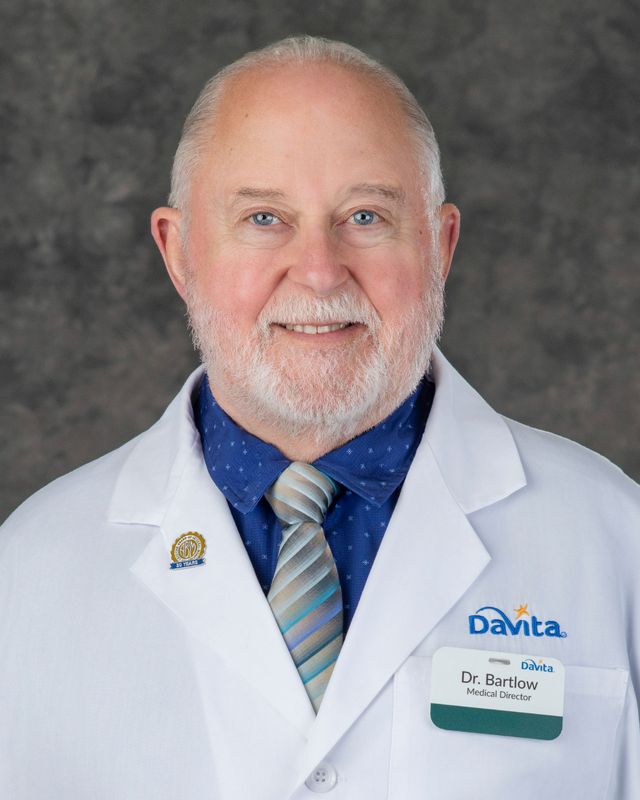
Forty-seven years of practice in nephrology, critical care and ethics consultation, working with countless cherished colleagues, have convinced me that we are all rising or sinking together on a boat in peril. I thought that the archetype of the “Wounded Healer” was just old Greek stuff. This half century in medicine, plus writing these books, have convinced me I was wrong. Yes, we may have come to our professions by a desire to help others, make a living, be respected. Or was it perhaps a “Calling”? What was it within us that was calling to be healed by this work? At the 55th year reunion of my Northwestern University medical class I asked several medical students, “Yes, but what in you called you to this work?” Their looks seemed to respond, “Please pass the butter.”
At the end of a long day do you find yourself worried that “What you gave was not what was needed, and what was needed you didn’t have to give” (Norman Maclean, “A River Runs through It”)? And needed by whom? The “patient,” the family, the community? Yourself, your family when you come home depleted?
I’ve come to believe the facades between caregivers and patients are beyond artificial: these barriers of identities, roles and presumptions block true healing for all participants. The always compassionate nurse, the bustling therapist, the perfect physician and the ill-informed, dependent patient are all death to being soothed and heard. We are trapped behind the safety of our lab coats, unemotional, untouched, sterilized of our true feelings. How we long to sit on the bedside, show our despair and joy, share what in our lives led to the guidance we’re offering our “patients”.
Most of these stories come from my and other healthcare providers’ involvement with patients and families. Listen for that voice that called out from within us, perhaps even when we were children? Consider “Foreword, why this book?”, “A doc becomes a patient – the missed diagnosis”, “A week with the dark guys”, “A thousand blossoms”, “Where hearts meet”, “Dear John – the evolution of a diagnosis”, “Do I care?”, “Spirituality? Seattle 2003”, and “When God fails”. The last is for those times when we wonder, are we doing God’s work, or the Devil’s?
I thank you all for your courage to labor long in the depths of human experience.
Your comments, questions and personal experiences will be much appreciated at my blog. There I hope we can initiate a conversation that will carry on.